
Unveiling Corruption: The Abuse of Power and its Detrimental Impact on Society
Introduction
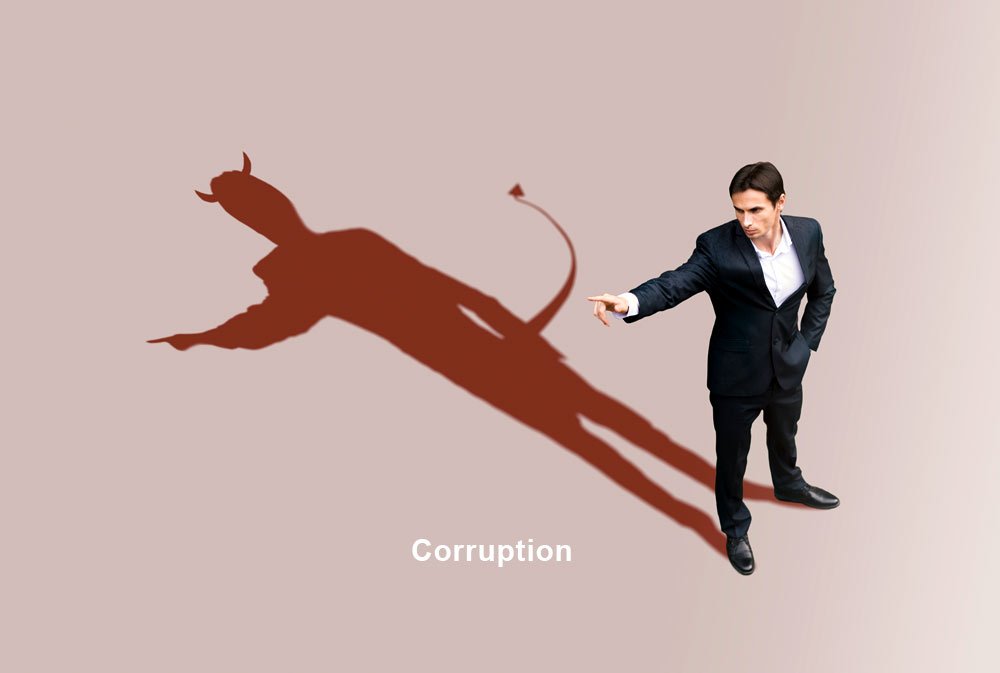
Corruption, a cancerous menace that plagues societies in Canada and worldwide, remains a pressing issue with severe consequences for both individuals and nations as a whole. This well-informed article aims to shed light on the intricate net of corruption, focusing mainly on the abuse of power and its far-reaching implications on ordinary citizens and specific individuals. By examining covered operations (some legally, some illegally) conducted by authorities, this article aims to expose the dark underbelly of corruption and emphasize the urgent need for systemic change.
The Abuse of Power
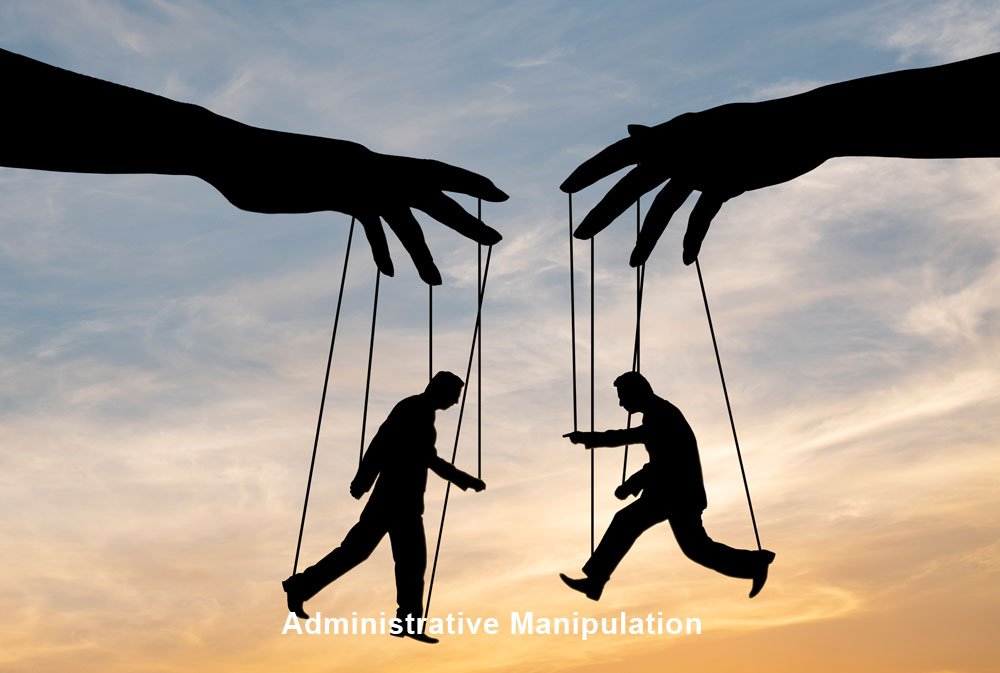
At the core of corruption lies the abuse of power, wherein those in positions of authority exploit their privileges for personal gain or to oppress others. This abuse takes various forms, ranging from bribery and embezzlement to nepotism and favouritism and some under pretense. Through covert operations, authorities often employ their power to manipulate laws, regulations, policies and people, thereby degrading the lives of ordinary citizens – the victims. By placing personal interests above the common good, corrupt officials and entities undermine human rights principles – justice, equality, and social progress.
Degradation of Ordinary Citizens
Corruption, significantly when carried out by authorities, severely impacts the lives of ordinary people. Scarce resources meant for public welfare are siphoned off, crippling healthcare, education, and infrastructure development. The consequences of this misappropriation are felt most acutely by the marginalized and vulnerable sections of society, perpetuating a vicious cycle of poverty, inequality, and limited opportunities. The erosion of trust in public institutions further exacerbates the plight of citizens who rely on these systems for justice and protection.
Targeting Specific Individuals
In some instances, corruption takes a more targeted approach, aiming to degrade specific individuals who pose a threat or challenge to those in power. This can manifest through politically motivated persecution, character assassination, or arbitrary use of legal instruments. Corrupt authorities aim to consolidate their control and shield themselves from accountability by silencing dissenting voices and stifling freedom of expression. The impact on the individuals subjected to such abuse is immeasurable, leading to psychological trauma, loss of livelihood, and a chilling effect on others who may dare to speak up against corruption.
Conclusion
Corruption remains a pervasive problem that cripples societies, undermines trust, and hinders progress. This article has shed light on the abuse of power as a central element of corruption, exploring its detrimental impact on ordinary citizens and specific individuals. Acknowledging the urgency of addressing this issue is crucial, as corruption continues to undermine justice, equality, and socioeconomic development. By exposing covered operations and raising awareness about corruption’s destructive consequences, it is hoped that societies will unite in the fight against this pervasive evil, paving the way for a more just and equitable future.
Are We Living in a New Era of Corruption? TVO:
A Corruption Culture? TVO:
A Corruption Culture? TVO: